Custom Travel Itinerary! WeChat/WhatsApp: +8613811531028
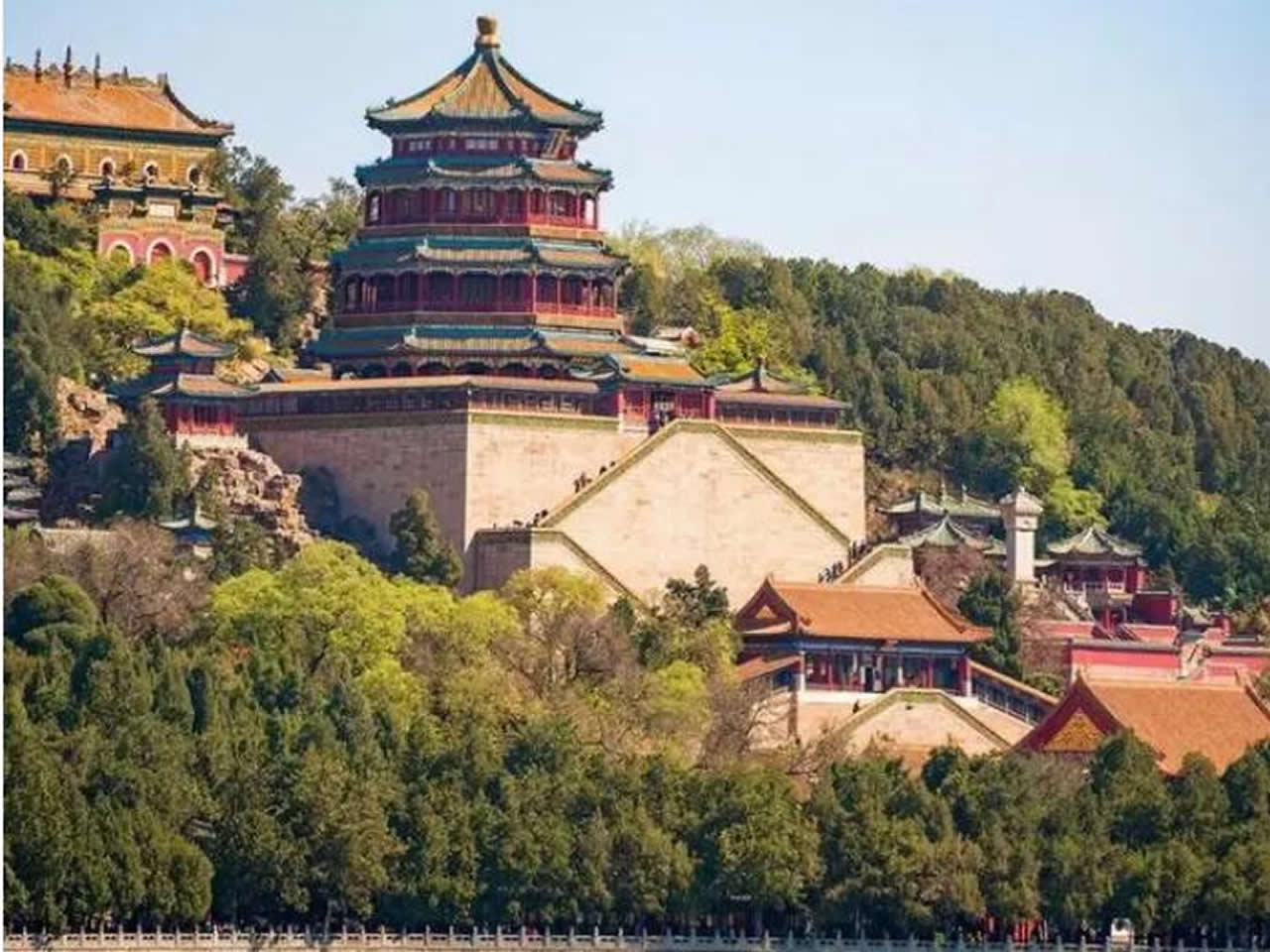
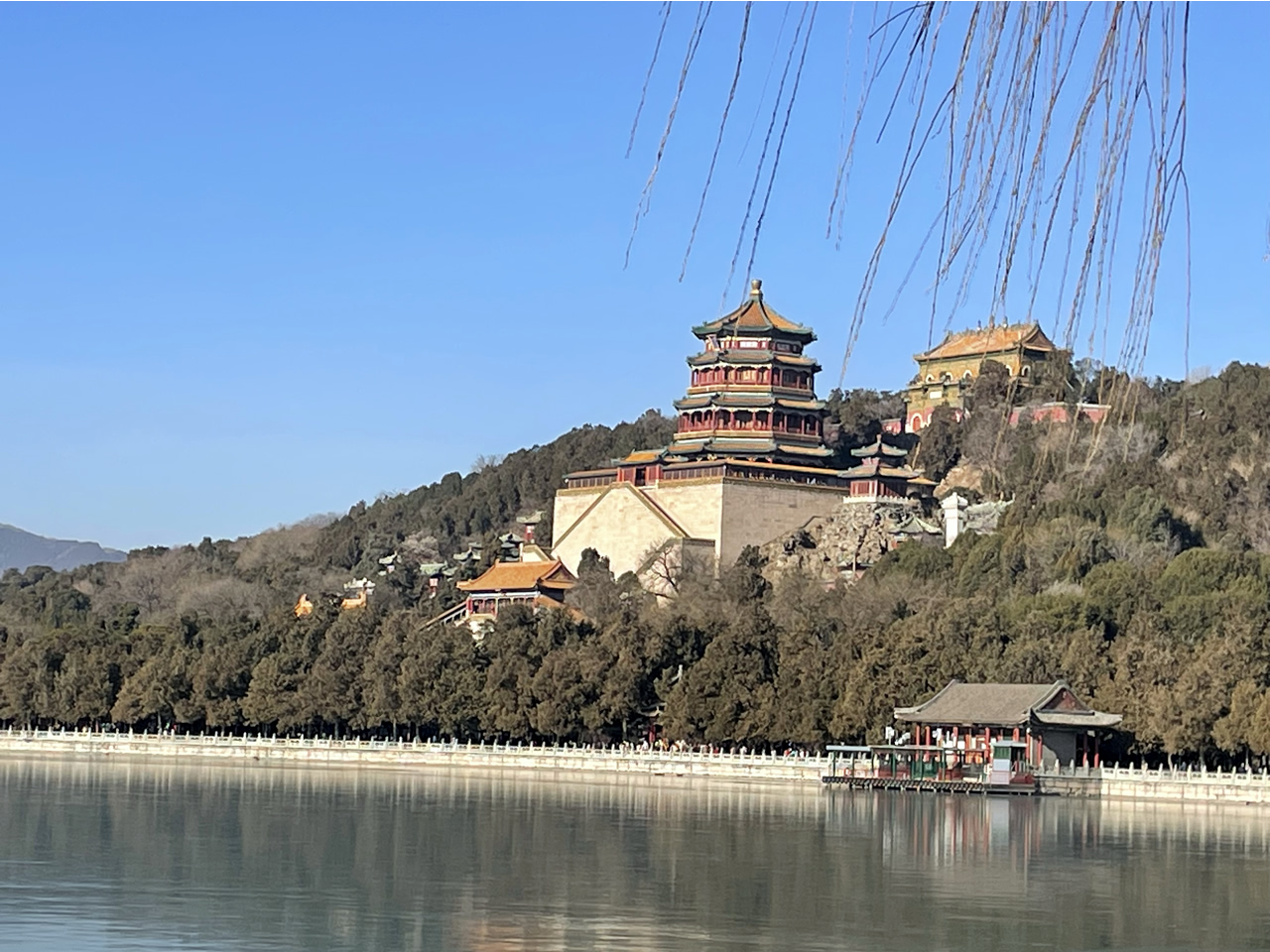
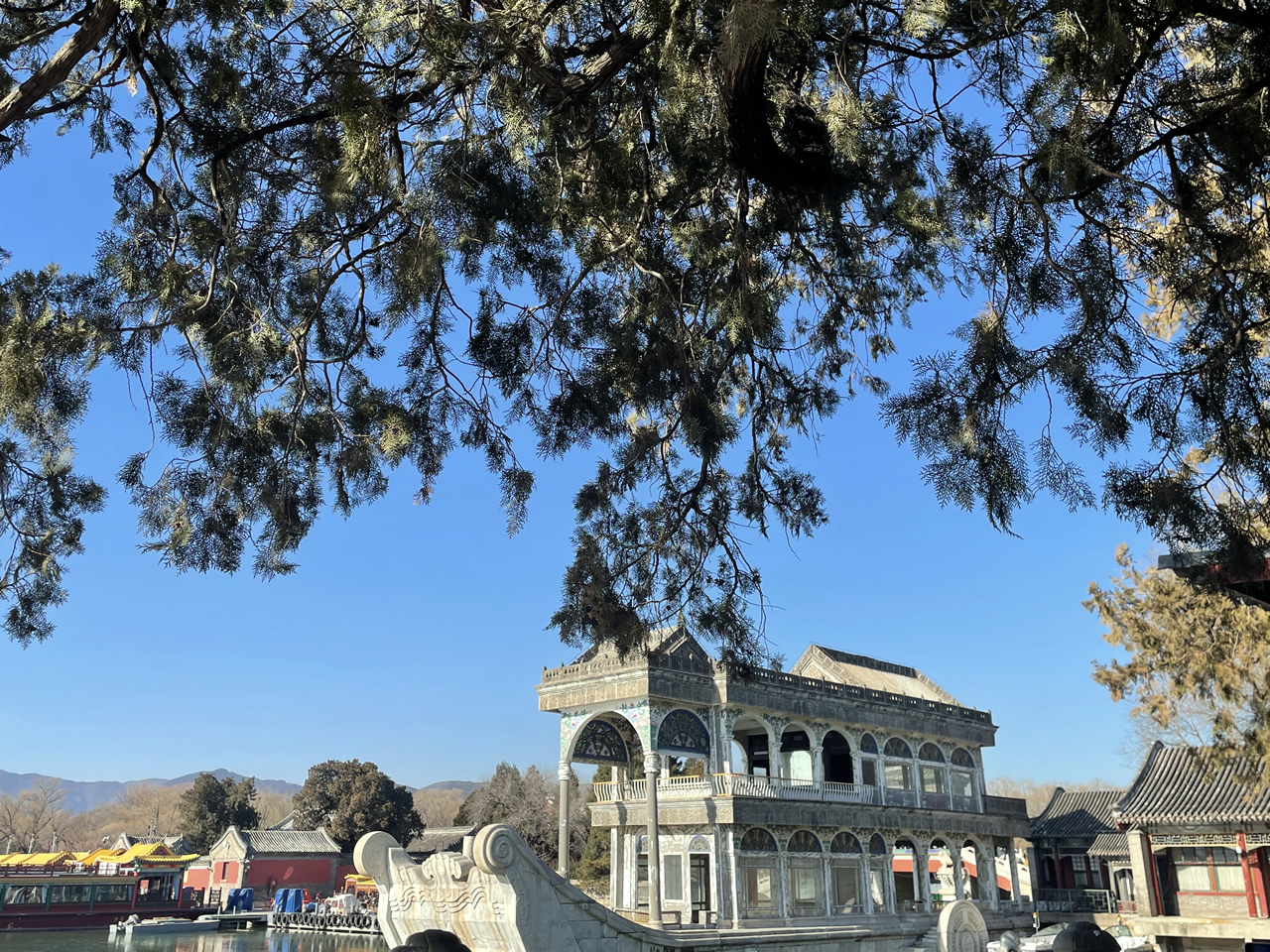
The Summer Palace, located in the northwest suburbs of Beijing, is China’s largest and best-preserved imperial garden and a UNESCO World Heritage Site (inscribed in 1998). It covers 3.0 square kilometers, with water (Kunming Lake) accounting for three-quarters of the area.
Brief History
1750 (Qing Dynasty): Built by Emperor Qianlong as the Garden of Clear Ripples (清漪园) to celebrate his mother’s birthday.
1860: Destroyed by the Anglo-French Allied Forces during the Second Opium War.
1888: Rebuilt by Empress Dowager Cixi with naval funds and renamed Yiheyuan (Summer Palace), meaning “Garden of Preserving Harmony”.
1900: Damaged again by the Eight-Nation Alliance; restored in 1902.
1924: Opened to the public as a park.
Core Scenic Spots
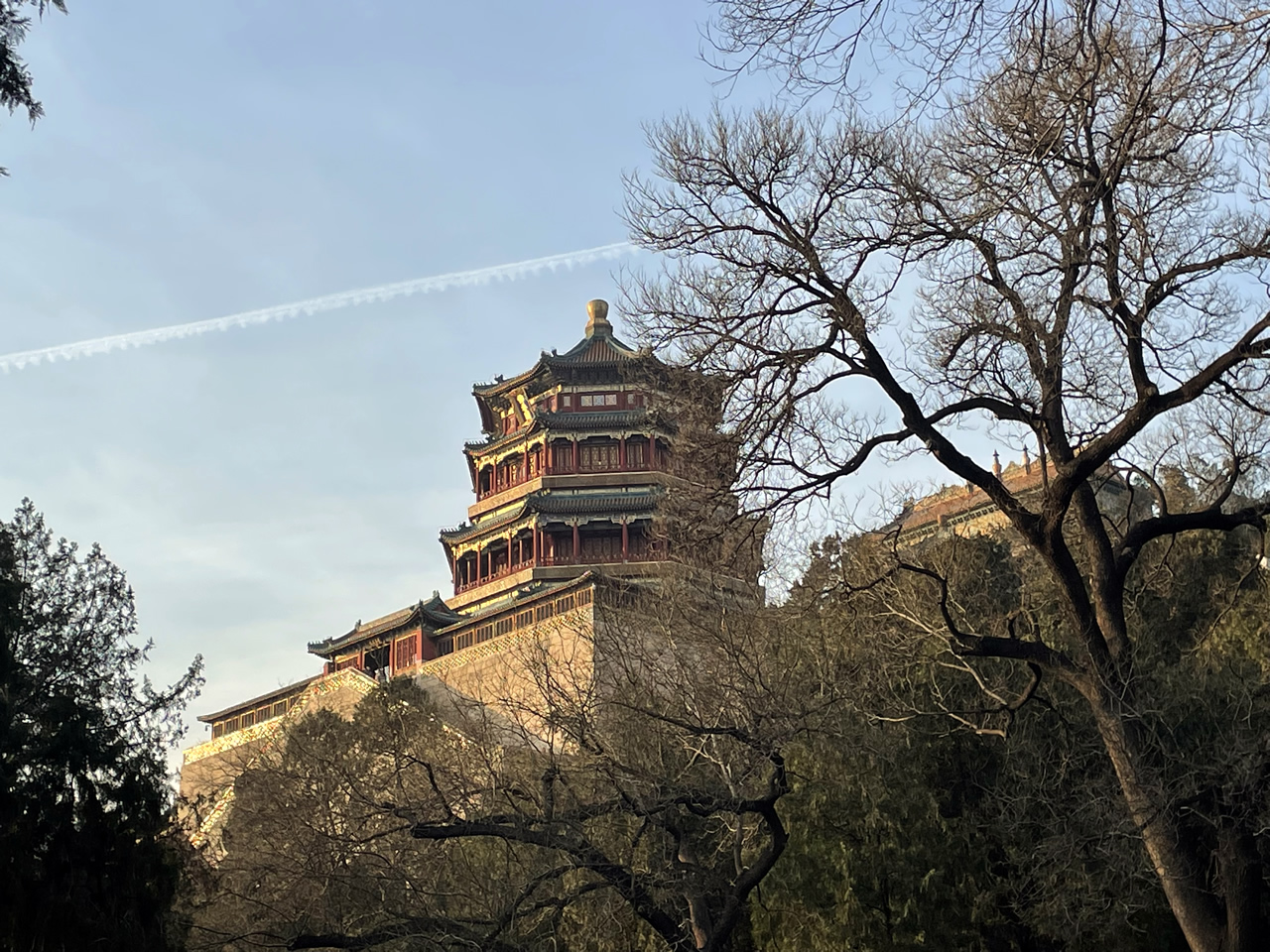
Longevity Hill (万寿山)The 60-meter-high hill forms the garden’s backdrop. Its front slope features grand structures like the Tower of Buddhist Incense (佛香阁), the garden’s tallest building, offering panoramic views. The back hill is quiet with natural woods and the Suzhou Market Street, a replica of an ancient water town.
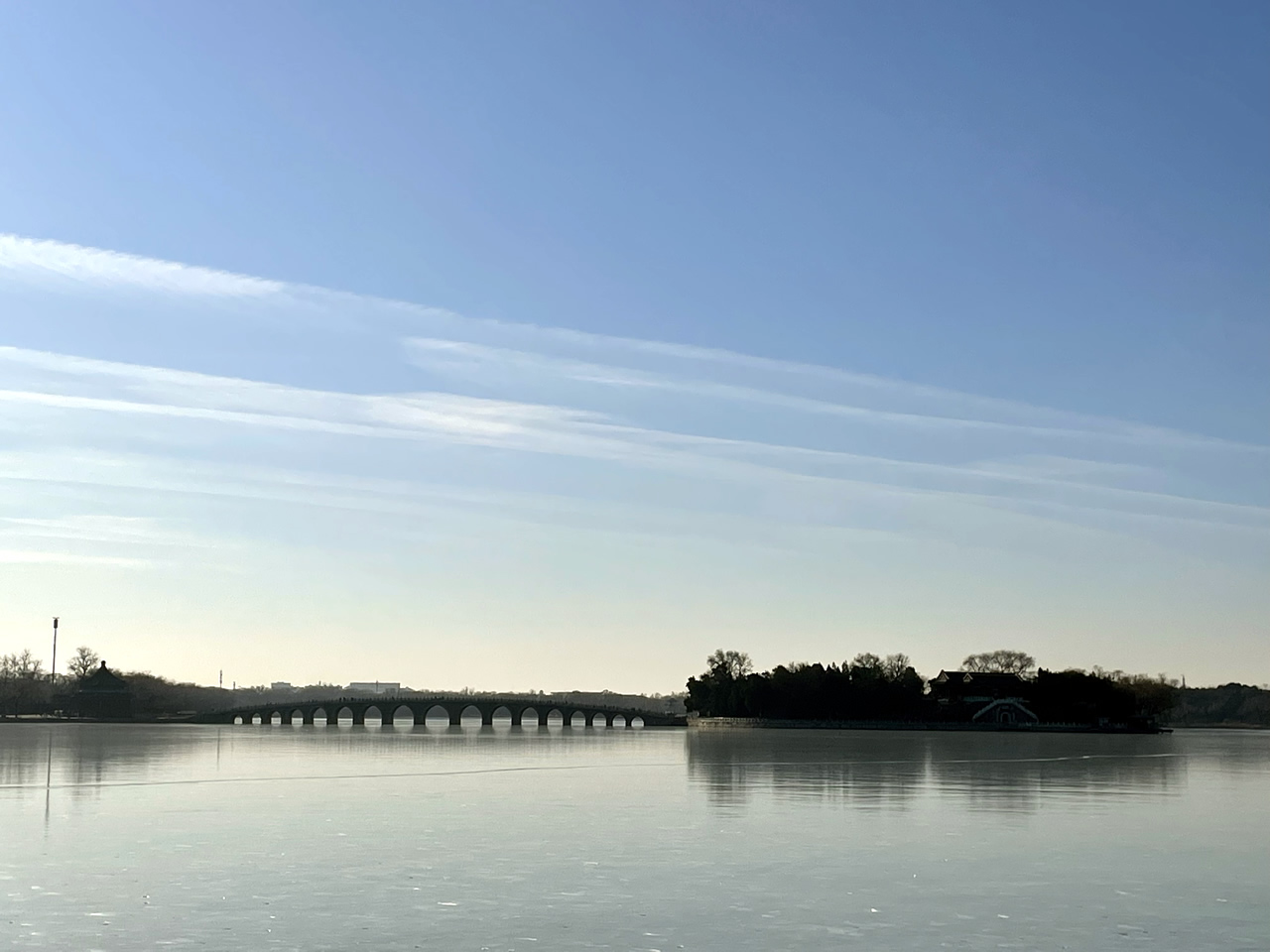
Kunming Lake (昆明湖)A man-made lake (2.2 km²) modeled after Hangzhou’s West Lake. It is dotted with the iconic Seventeen-Hole Bridge (150m long, with 544 stone lions on railings) and the Marble Boat, a symbol of imperial power.
The Long Corridor (长廊)A 728-meter-long covered walkway with over 14,000 traditional Chinese paintings (flowers, landscapes, legends) on its beams. It is the longest corridor in a Chinese garden.
Hall of Benevolence and Longevity (仁寿殿)The main political area where Cixi and Emperor Guangxu handled state affairs and received officials.