Custom Travel Itinerary! WeChat/WhatsApp: +8613811531028
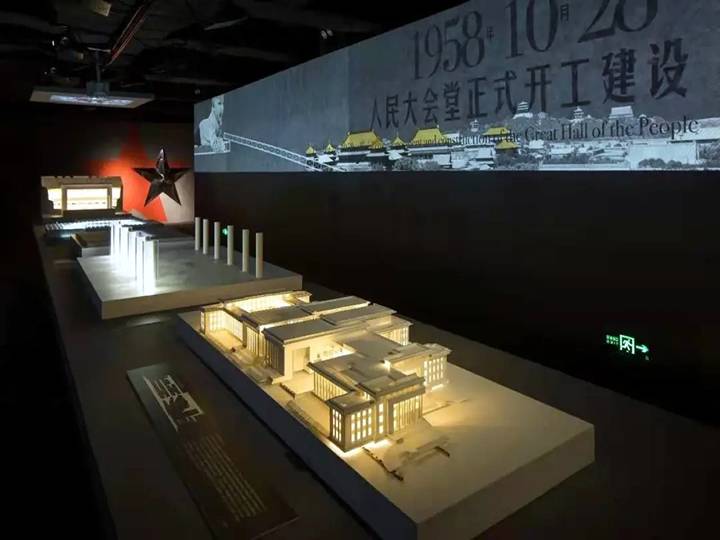
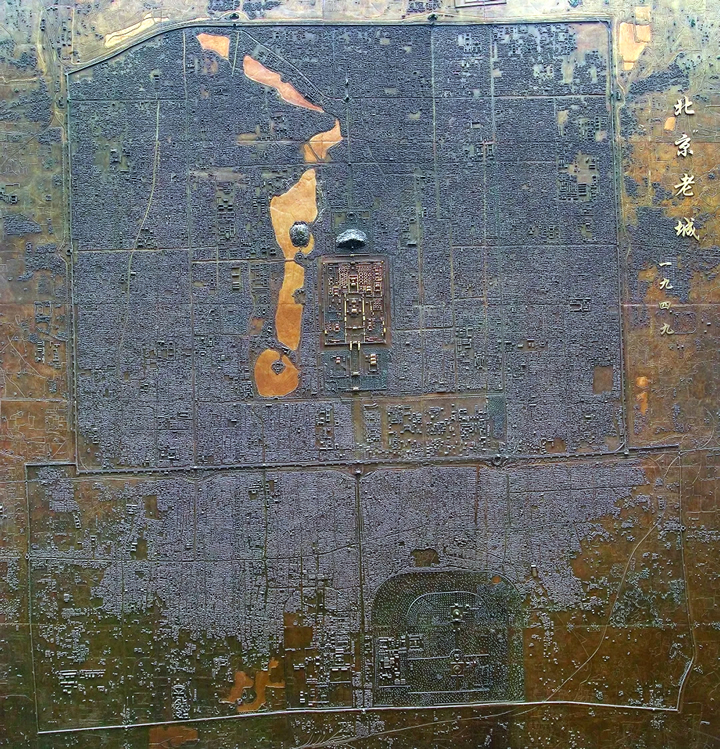
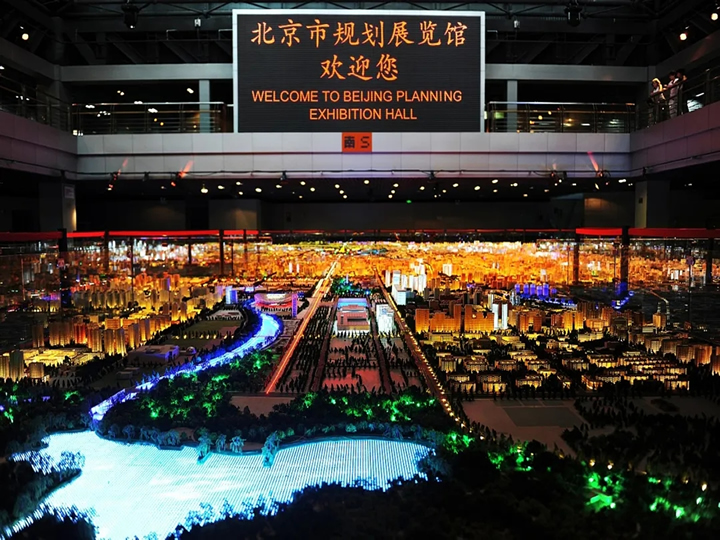
The Beijing Planning Exhibition Hall (BPEH) is a one-of-a-kind urban planning museum and a key civic education venue in Beijing. It serves as an official window into the city’s historical evolution, current layout, and future vision, blending history, technology, and public engagement.
Basic Information
Location: 20 Qianmen East Street, Dongcheng District, Beijing (next to Tiananmen Square, on the site of the old Beijing Railway Station)
Opening Date: September 9, 2004
Building Scale: Total floor area 16,000 m²; exhibition area 8,000 m² (four floors)
Admission: Free (reservation via official WeChat account required)
Opening Hours: 9:00–17:00 (last entry at 16:00), closed Mondays
Awards: National 4A-Level Tourist Attraction, Beijing Patriotic Education Base, National Youth Science Education Base
Core Mission
To comprehensively showcase Beijing’s urban planning and development from ancient times to the present and into the future.
To promote government transparency by publicizing urban plans and collecting public feedback.
To facilitate international exchanges on urban planning and architecture.
Key Exhibits & Highlights
1. Giant Beijing City Model (Town Treasure)
A 300 m² physical sandbox plus a 1,000 m² orthophoto map, covering the area within Beijing’s Fifth Ring Road.
1:750 scale; features over 20,000 miniature buildings (landmarks, residential areas, green spaces, transport networks).
Interactive lighting system highlights key zones (e.g., Central Axis, Olympic Park, CBD).
2. Bronze Sculpture of “Beijing Bay”
A 1:60,000 scale bronze model depicting Beijing’s unique topography (mountains to the north/west, plains to the southeast, and river systems).
Illustrates how natural geography shaped Beijing’s ancient city layout.
3. Themed Exhibition Zones (4 Floors)
1st Floor: History & General Planning
Ancient Beijing: From Jicheng (Zhou Dynasty) to Dadu (Yuan), Beijing (Ming/Qing) via models, artifacts, and old photos.
Master Plan of Beijing: 2016–2035 blueprint, including “Two Axes, Three Belts, Multiple Centers”.
2nd Floor: Central Axis & Cultural Heritage
Beijing’s Central Axis (7.8 km): Forbidden City, Tiananmen, Drum Tower, etc.—a UNESCO World Heritage candidate.
Historic Districts: Preservation of hutongs, siheyuans, and old city walls.
3rd Floor: Modern Achievements & Future Vision
Olympic Games: Planning of Bird’s Nest, Water Cube, and Olympic Forest Park.
Transportation: Subway network, high-speed rail, and urban expressways.
Green Beijing: Forest parks, wetland restoration, and ecological corridors.
Jing-Jin-Ji Coordination: Integrated development of Beijing, Tianjin, and Hebei.
4th Floor: Multimedia & Education
4D Cinema: “Beautiful Beijing” (4 shows daily: 10:00, 11:00, 14:30, 15:30).
“Youth City-Building Camp”: Hands-on STEM space for kids (urban design workshops).
Temporary Exhibitions: Special topics on surveying, big data, and “Three Hills and Five Gardens”.
Historical & Cultural Significance
Witness to History: Hosted over 6 million visitors since 2004, including heads of state from 105 countries.
Symbol of Urban Wisdom: Reflects China’s philosophy of “respecting nature, inheriting history, and serving people” in urban planning.
Bridge to the Future: Showcases Beijing’s ambition to become a world-class harmonious and livable capital by 2035.