Custom Travel Itinerary! WeChat/WhatsApp: +8613811531028
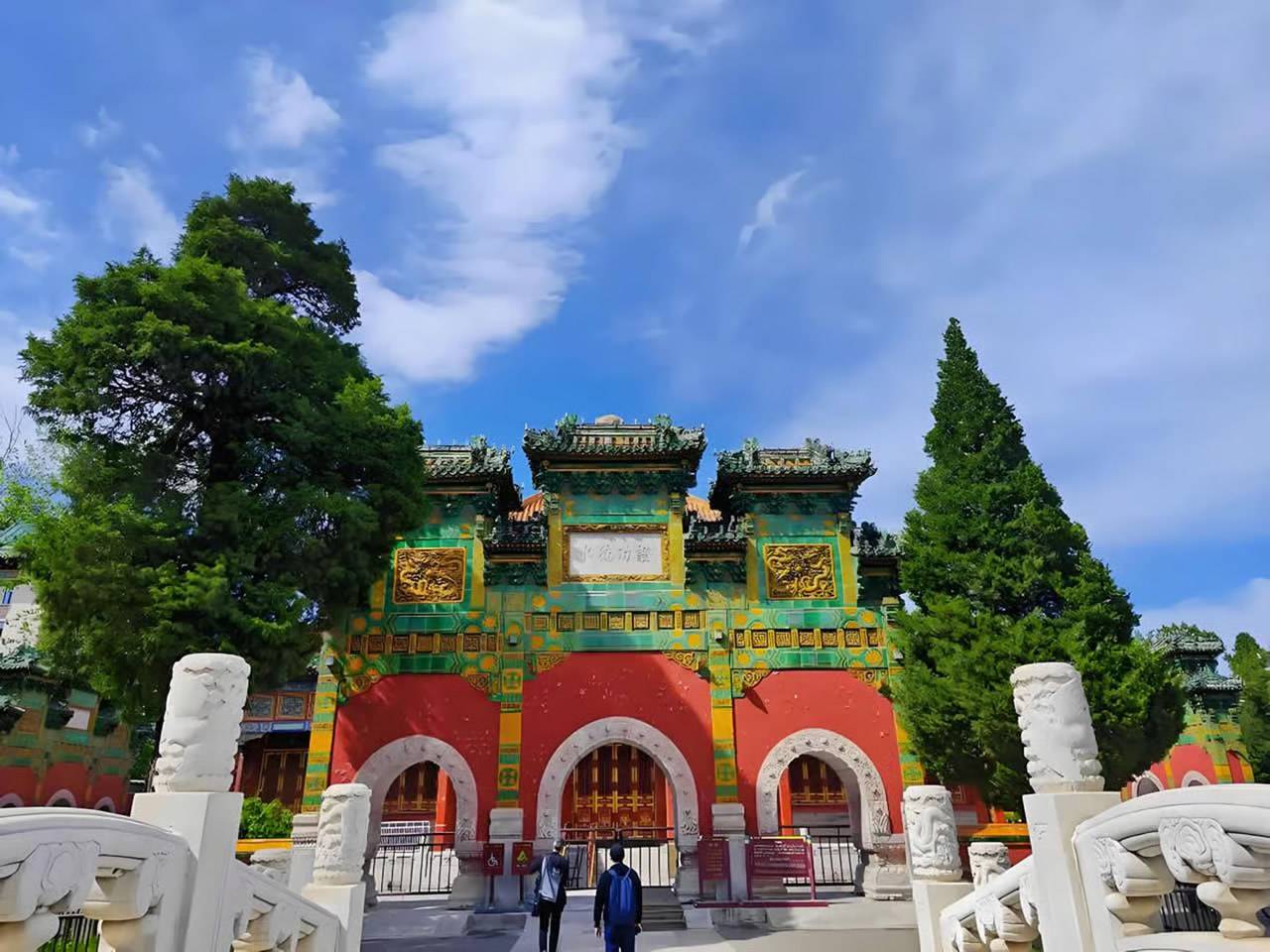
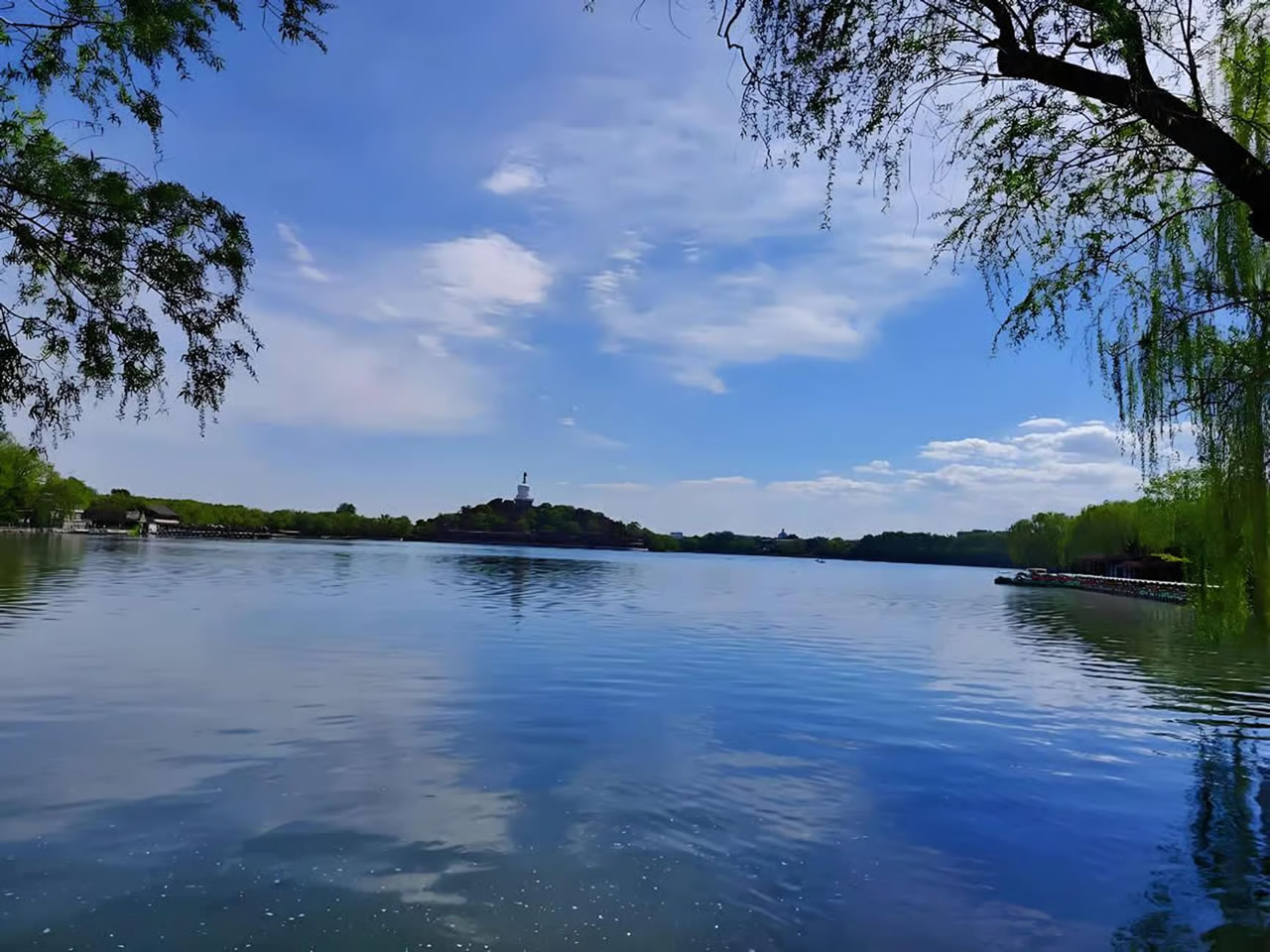


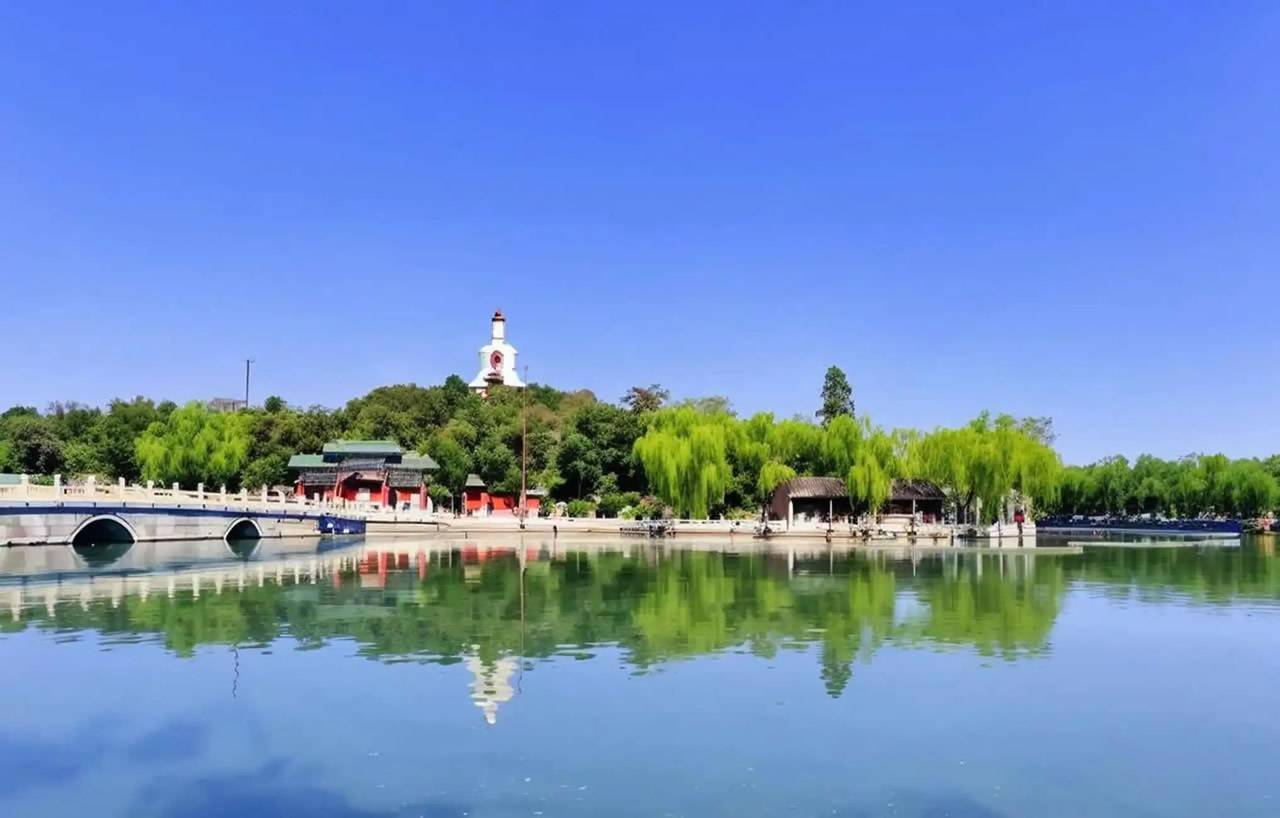
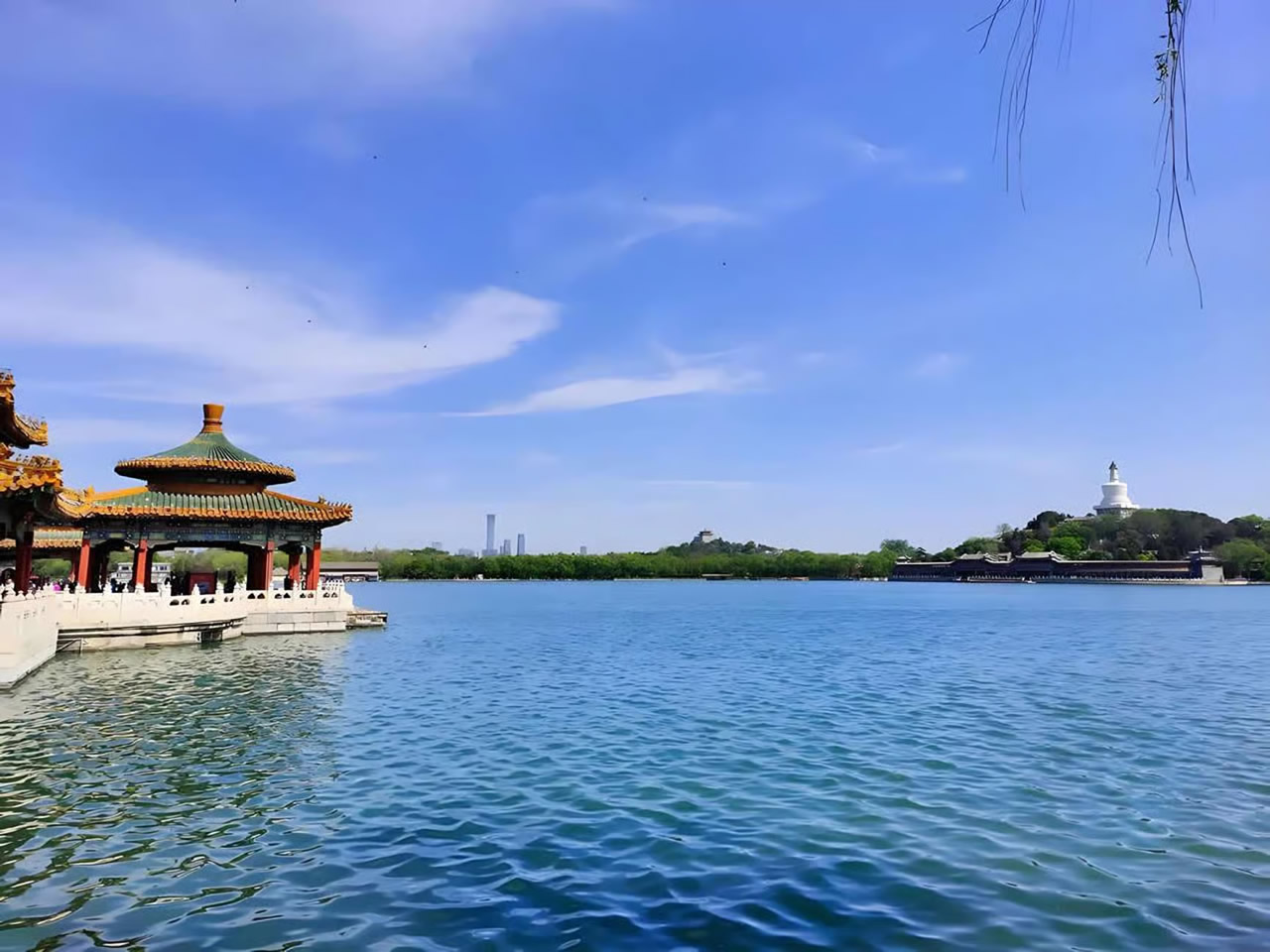
Begin your tour at Beihai Park, one of China’s oldest and most beautiful imperial gardens. Built over 1,000 years ago, it served as a royal retreat for successive dynasties. The park centers on a vast lake, with the iconic White Dagoba (a white stone pagoda) standing on Jade Flower Island—an image featured on China’s 10-yuan banknote.
Other highlights include the Nine-Dragon Screen (one of China’s three famous glazed dragon walls) and the Round City (a miniature palace housing a 3-foot-tall jade Buddha). Stroll along the lakeside, rent a paddleboat in summer, or ice-skate on the frozen lake in winter.
Next, take a 10-minute walk from Beihai Park’s north gate to Prince Gong’s Mansion, the largest and most complete Qing-dynasty princely mansion in China. Built in 1777, it was originally the private residence of Heshen, a powerful minister of Emperor Qianlong. Later, it was granted to Prince Gong (Yixin), hence its name.
Known as “One Prince Gong’s Mansion, half the history of the Qing Dynasty,” it consists of a residential quarter and a lavish garden. Don’t miss the “Three Treasures”:
Western-Style Gate: A Sino-Western archway with delicate carvings.
Grand Theater: A fully enclosed wooden theater with perfect acoustics (no microphones needed).
“Fu” Character Stele: A stone tablet carved with Emperor Kangxi’s calligraphy of “Fu” (blessing), hidden in a secret cave.