Custom Travel Itinerary! WeChat/WhatsApp: +8613811531028
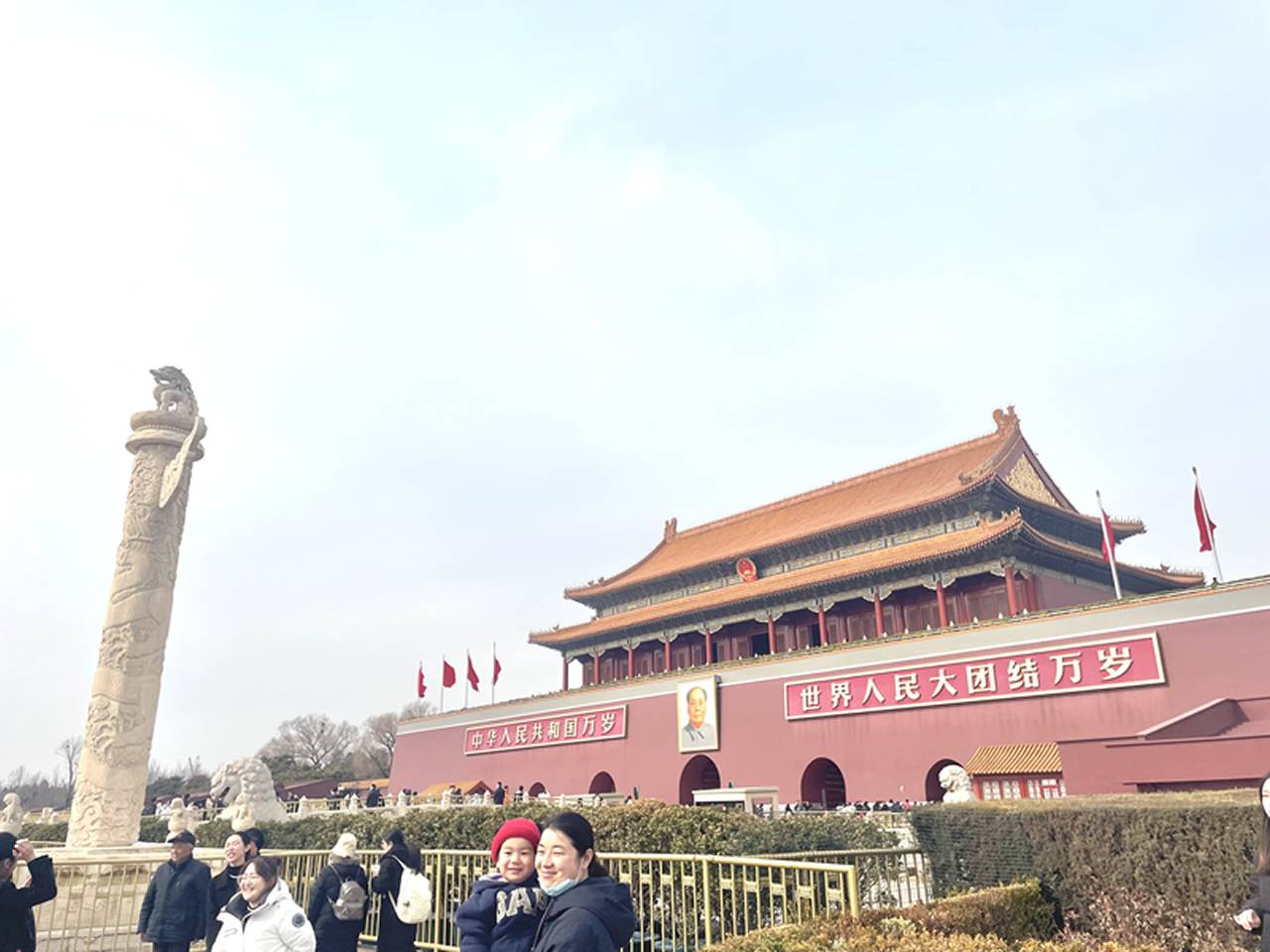
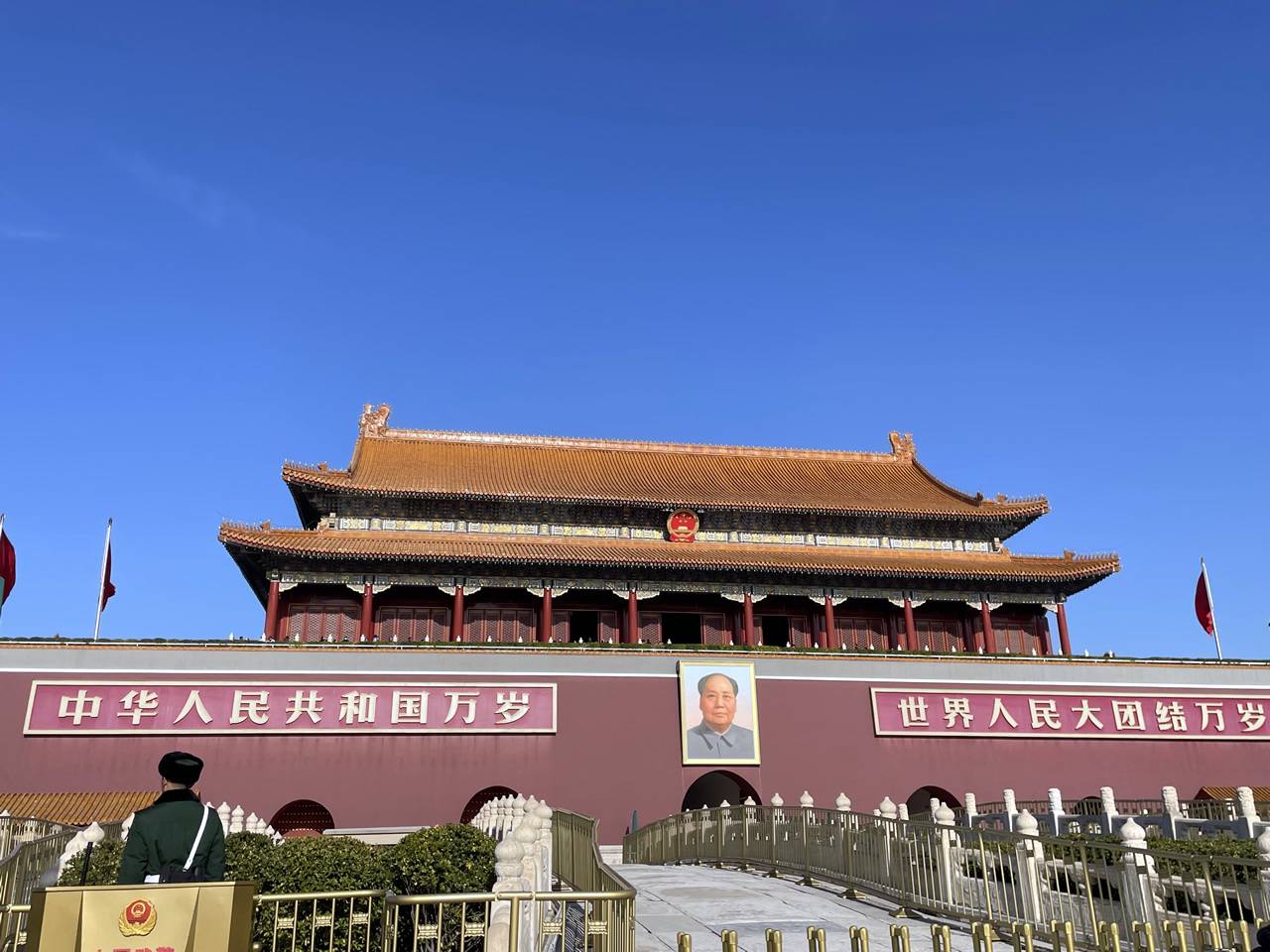
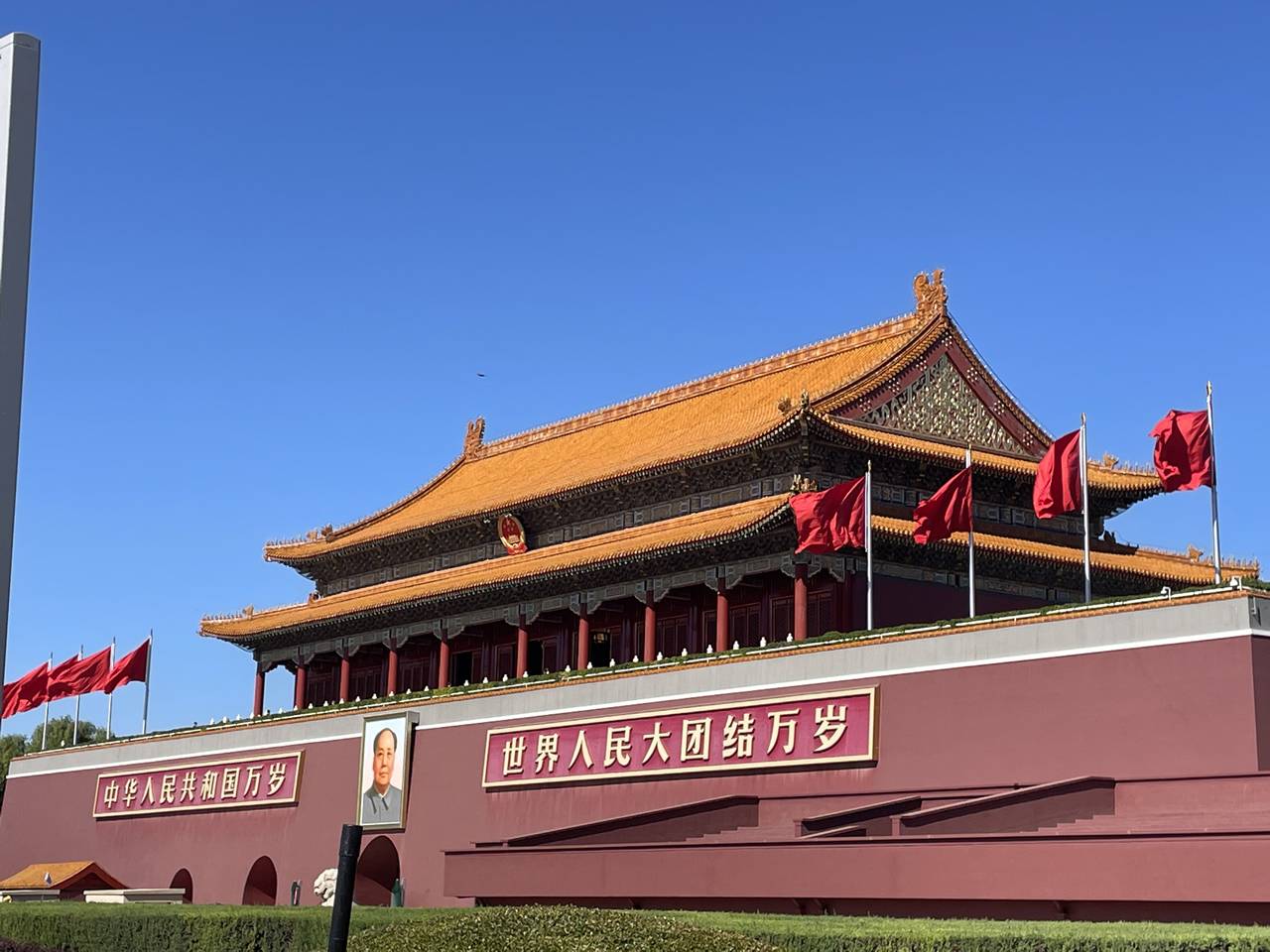
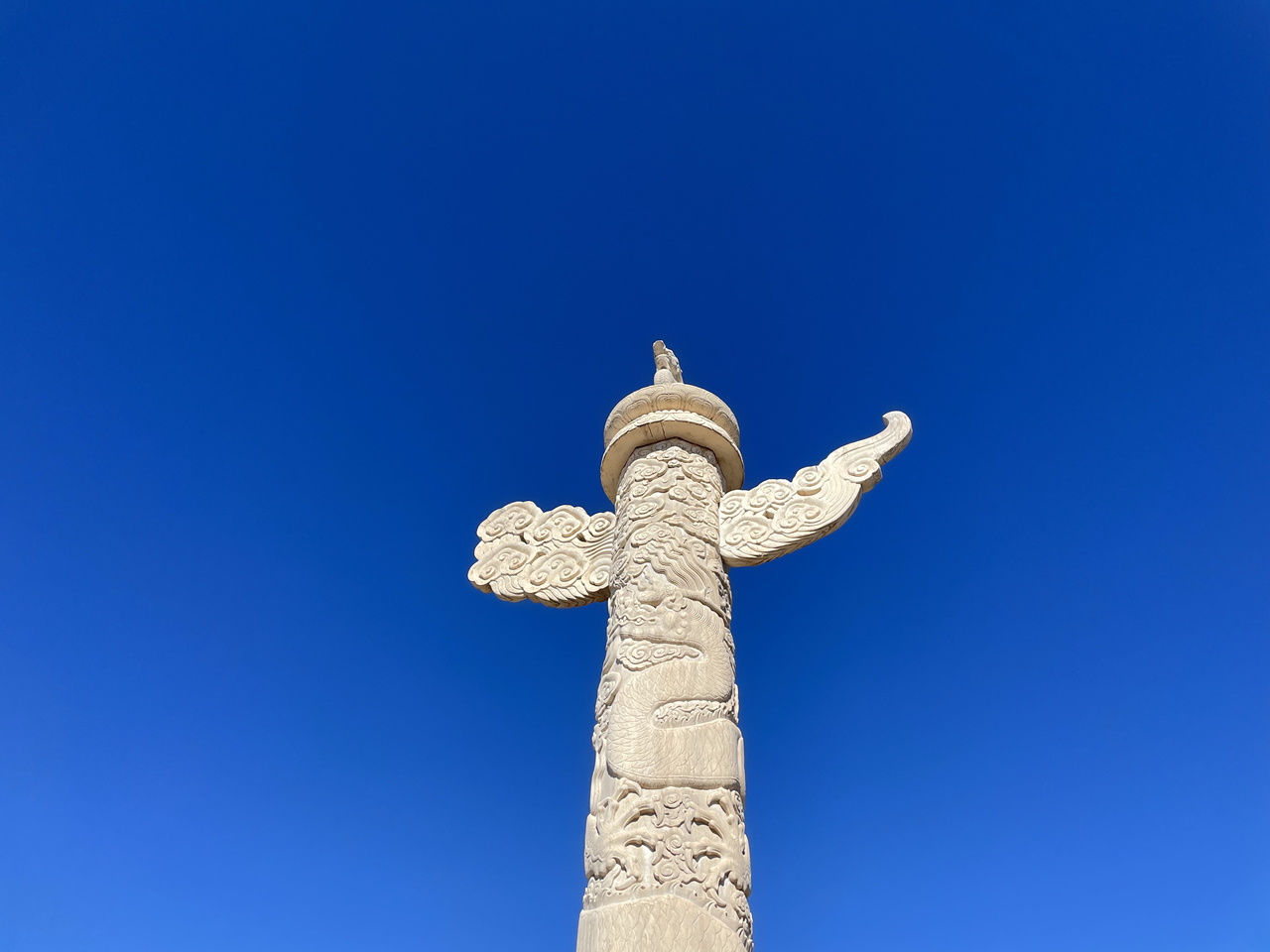
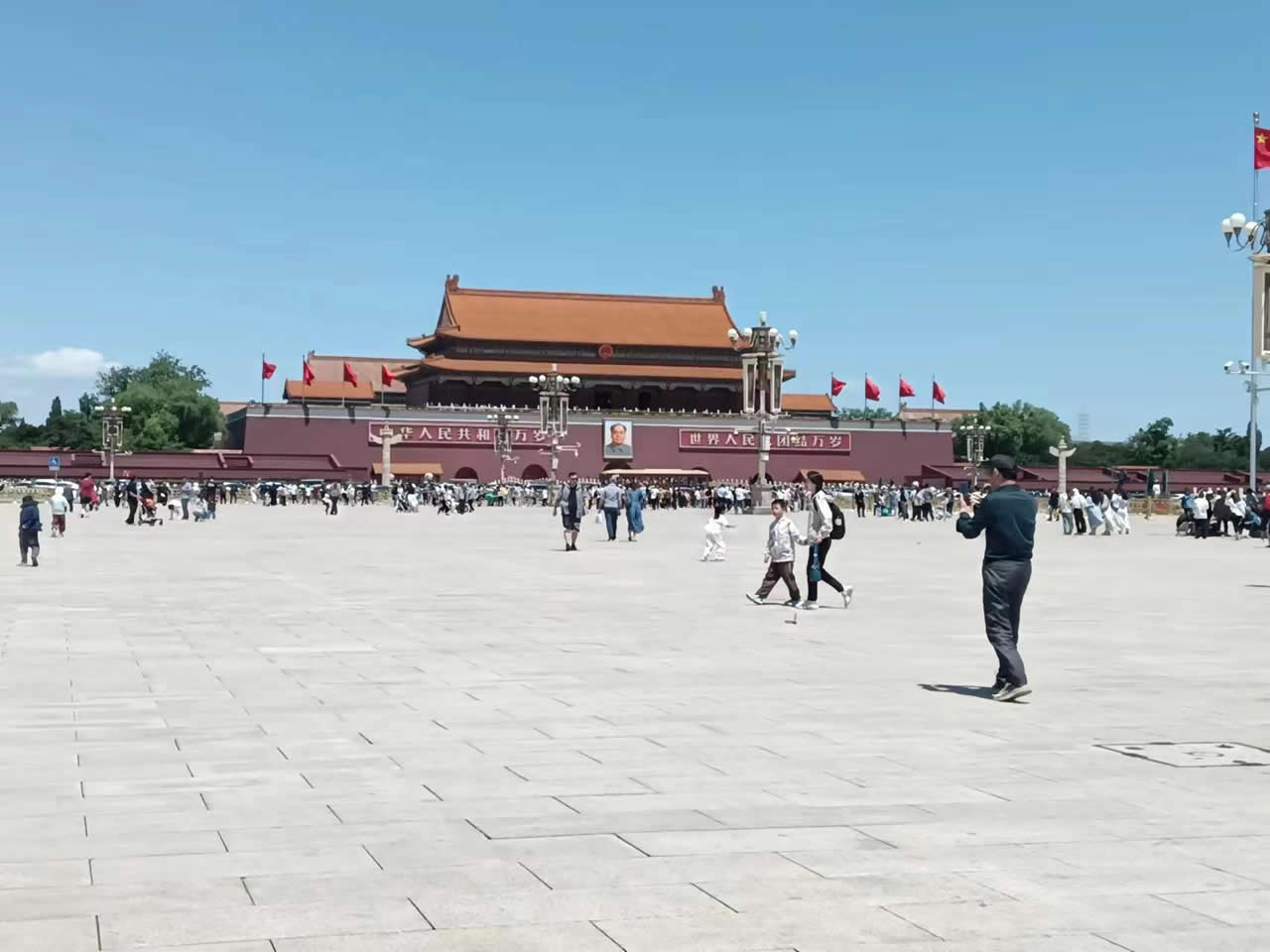
Forbidden City private tour
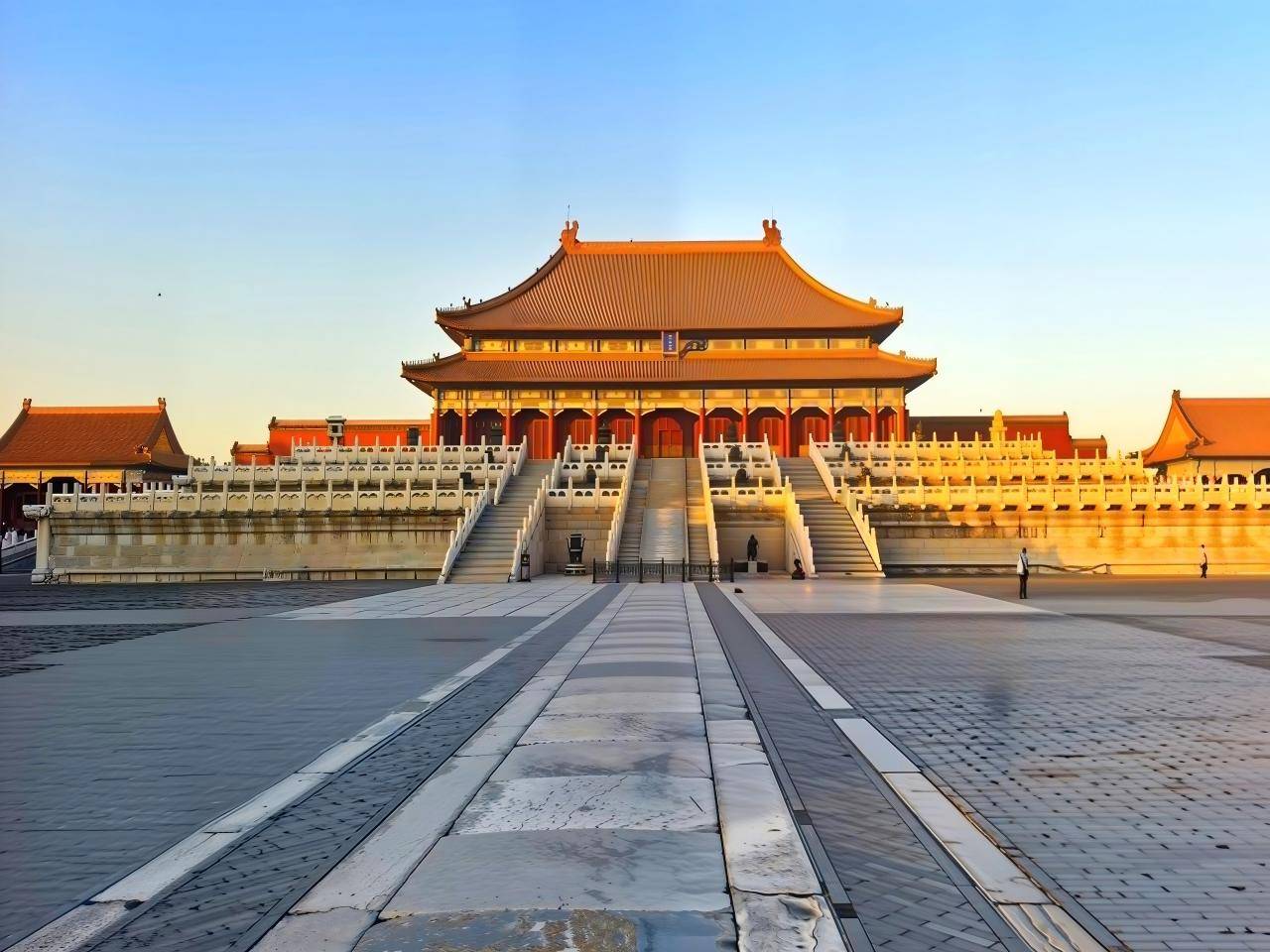
Nestled at the heart of Beijing, aligned perfectly along the city’s central north-south axis, the Palace Museum—historically known as the Forbidden City—stands as the grandest and best-preserved imperial palace complex in the world.
Construction began in 1406 under the Ming Emperor Yongle (Zhu Di) and was completed in 1420. For the next 505 years, it served as the imperial residence and the core of state power, housing 14 Ming and 10 Qing emperors. Commoners were strictly prohibited from entering in imperial times, hence the name “Forbidden City”. In 1924, the last emperor Puyi was expelled; the Palace Museum was formally established and opened to the public on October 10, 1925. It was inscribed on the UNESCO World Heritage List in 1987.
The rectangular complex spans 720,000 square meters, with a 10-meter-high city wall encircled by a 52-meter-wide moat. Its layout strictly follows traditional Chinese principles: the Outer Court at the south features the three magnificent halls—the Hall of Supreme Harmony (Taihe Dian), Hall of Central Harmony (Zhonghe Dian), and Hall of Preserving Harmony (Baohe Dian)—where grand state ceremonies and imperial audiences were held. The Inner Court at the north, including the Palace of Heavenly Purity (Qianqing Gong), Hall of Union (Jiaotai Dian), and Palace of Earthly Tranquility (Kunning Gong), was the private living quarter for the emperor, empress, and imperial family. Flanking the central axis are numerous auxiliary halls, gardens, and courtyards, all arranged in perfect symmetry.
Today, the Palace Museum boasts an extraordinary collection of over 1.86 million cultural relics, forming an intact imperial treasure system. Highlights include ancient paintings and calligraphy (e.g., Along the River During the Qingming Festival), exquisite porcelains, jade artifacts, imperial jewels, and elaborate clocks. It remains one of the most visited museums globally, welcoming millions of visitors annually to admire its architectural splendor and explore China’s profound imperial history and cultural heritage.
Terminology distinction: Forbidden City emphasizes its imperial-era identity; Palace Museum is the official modern name for the institution open to the public.
Key proper nouns:
Hall of Supreme Harmony (Taihe Dian)
Hall of Central Harmony (Zhonghe Dian)
Hall of Preserving Harmony (Baohe Dian)
Palace of Heavenly Purity (Qianqing Gong)
Hall of Union (Jiaotai Dian)
Palace of Earthly Tranquility (Kunning Gong)
Short version (for posters/brief introductions):
The Palace Museum (Forbidden City) in Beijing, built 1406–1420, was home to 24 Ming and Qing emperors. A UNESCO World Heritage Site since 1987, it features grand symmetrical architecture and houses over 1.86 million precious cultural relics, making it a top global cultural landmark.
Inclusions
English-speaking tour guide service fee
Admission to the Forbidden City
Exclusions
Accommodations
Transportation
Meals
Gratuity to the guide
Notes
No one will jump into your group. YOU will totally enjoy a private tour.
You will have a 4-hour walking tour.
For the prolong of the tour we will charge extra service fee by hours 100RMB per/hou
The transportation fee is excluded, you can choose any means to travel from your hotel to the spot.
Your itinerary is quite flexible, we could adjust the tour due to multiple reasons like the weather or any other unexpected conditions.
Forbidden City is not open to the tourists on Mondays.
Please always remember Meeting your satisfaction is our goal.