Custom Travel Itinerary! WeChat/WhatsApp: +8613811531028
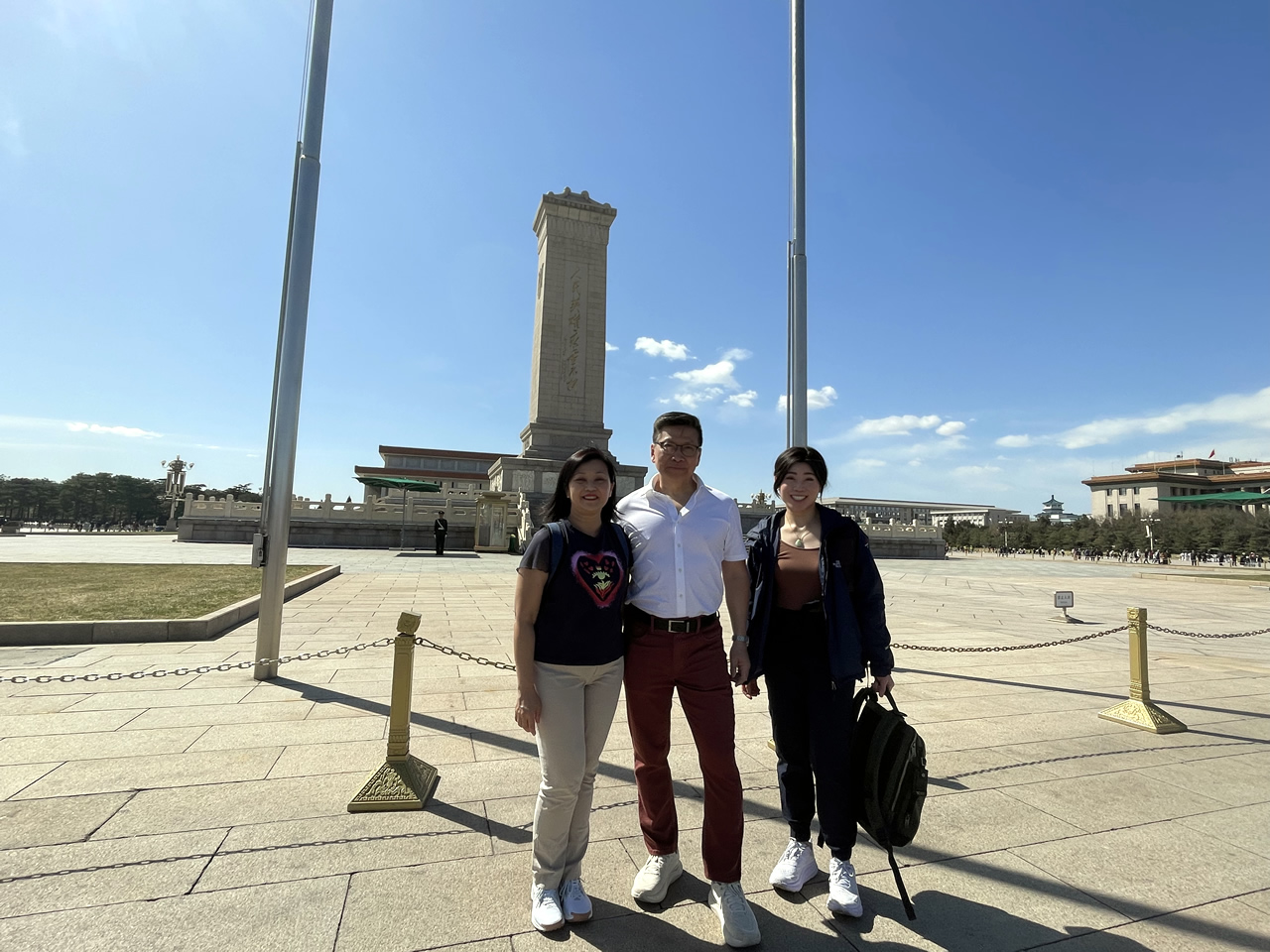
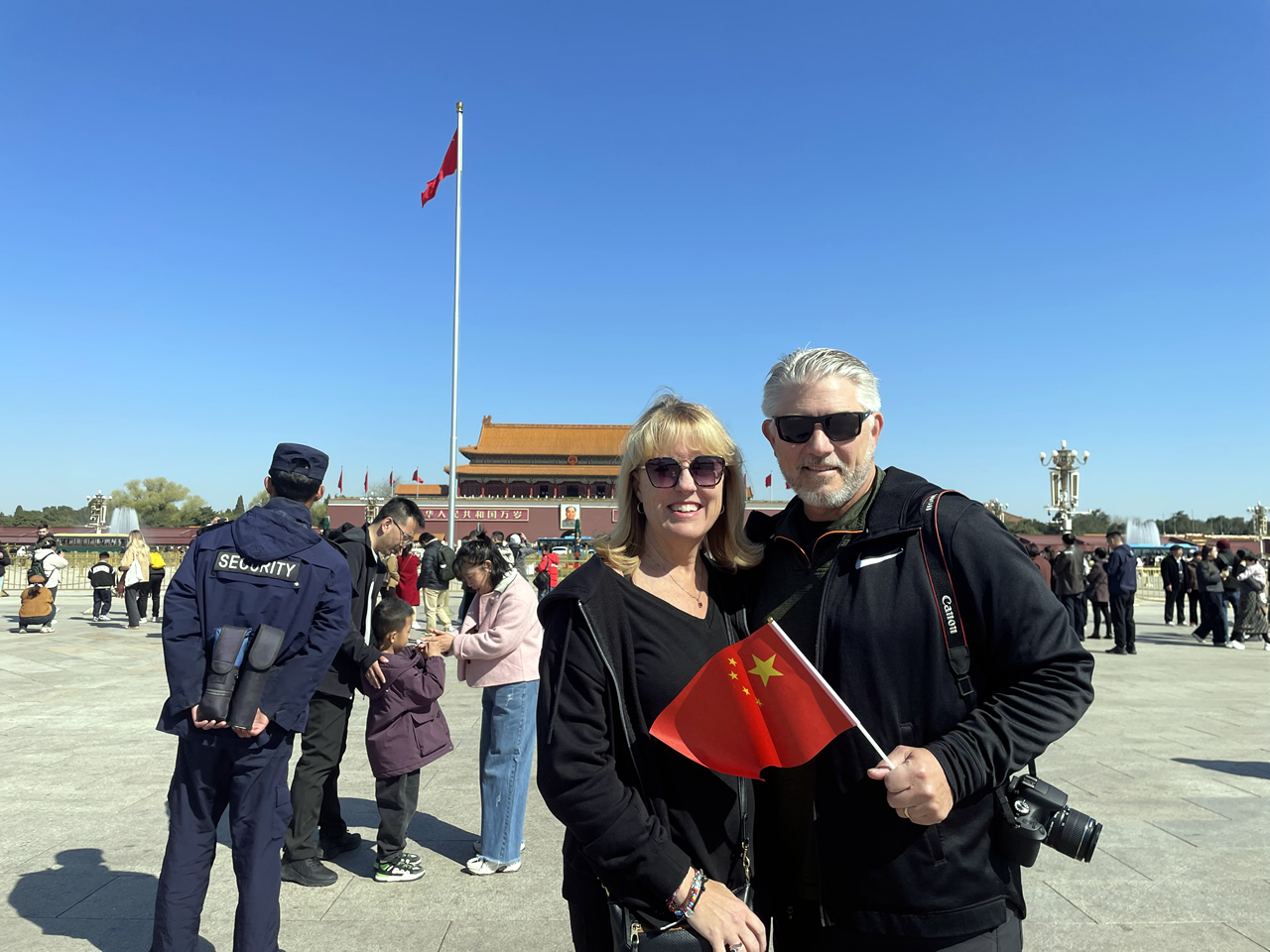
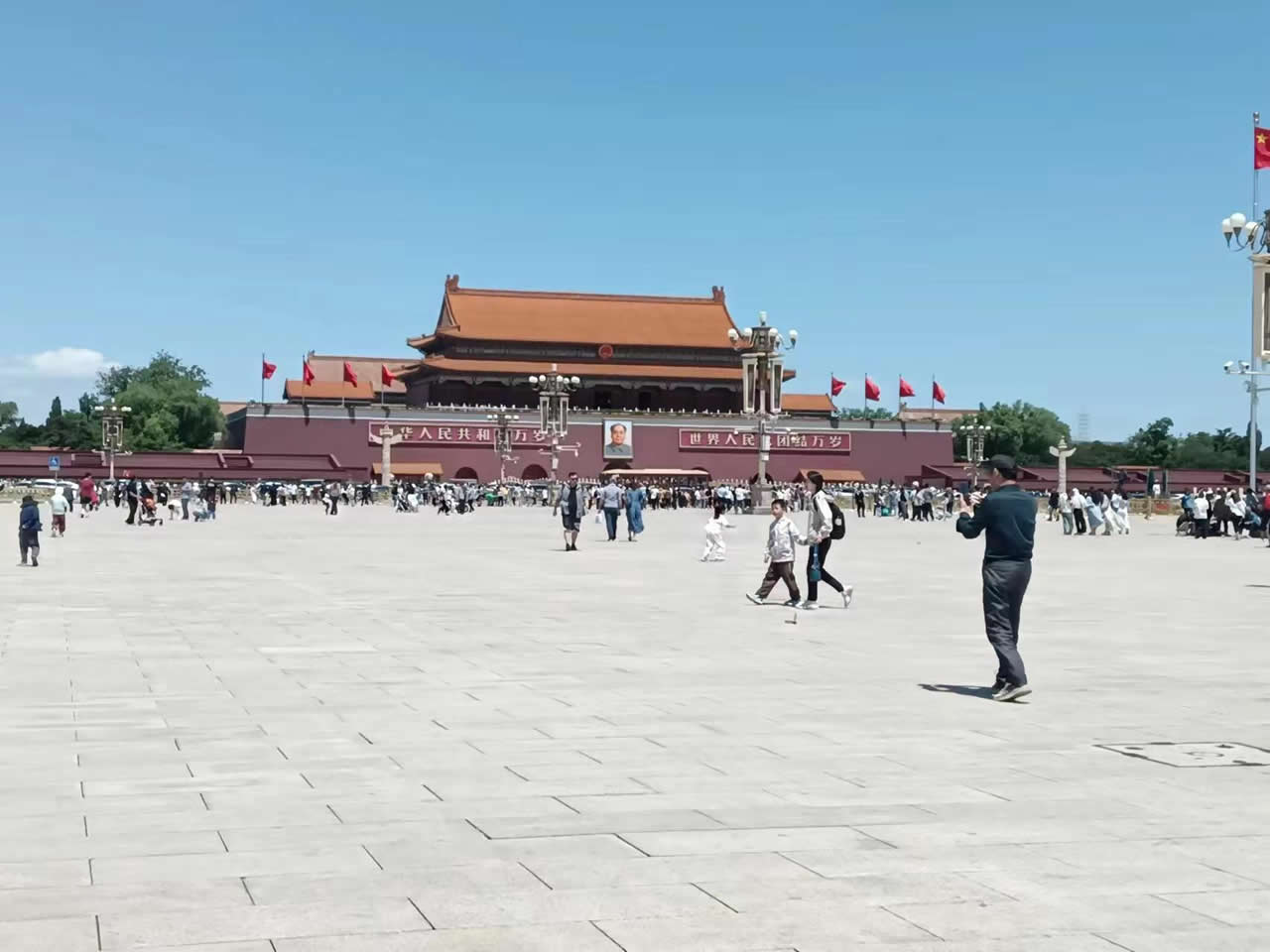
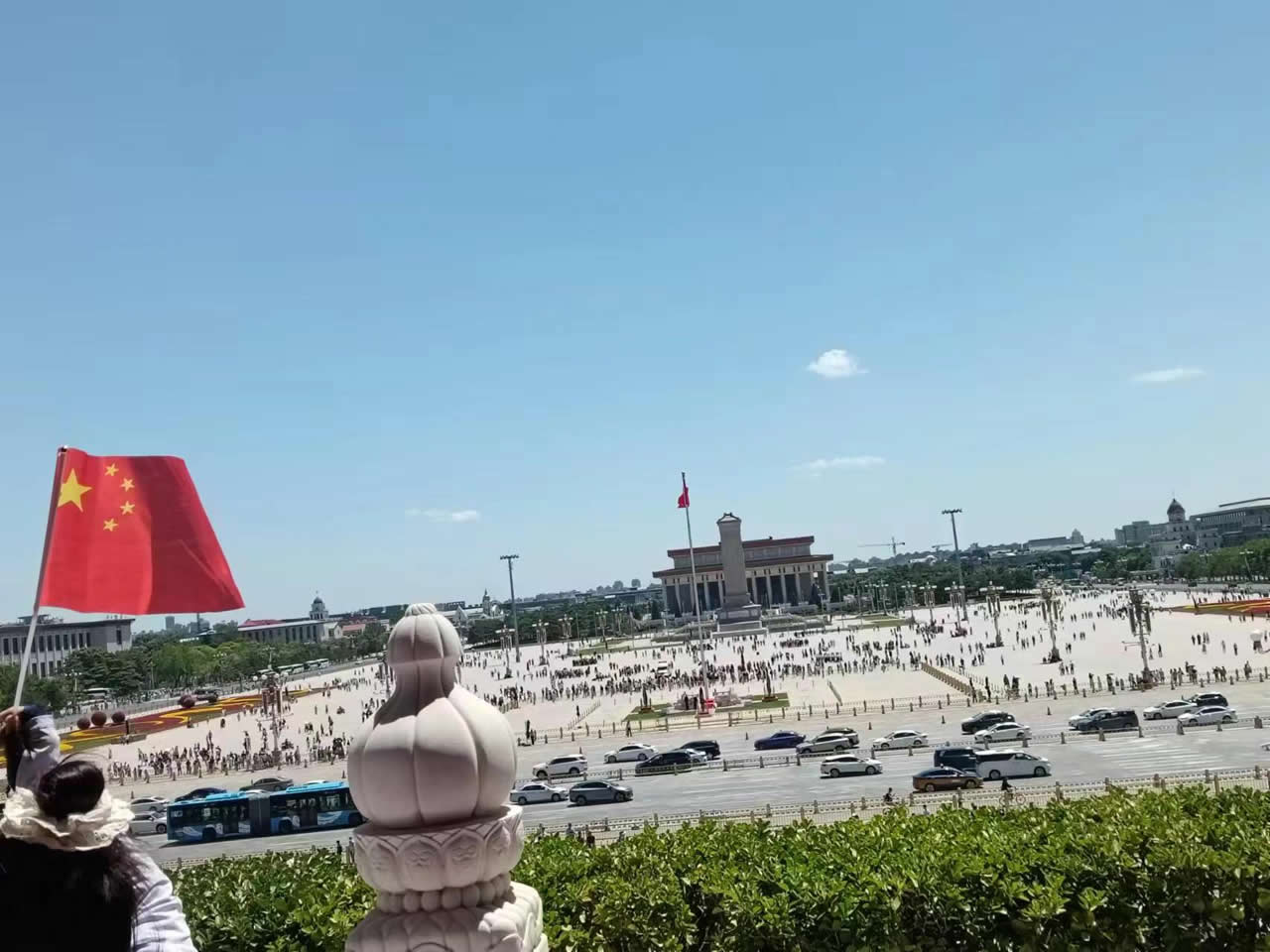
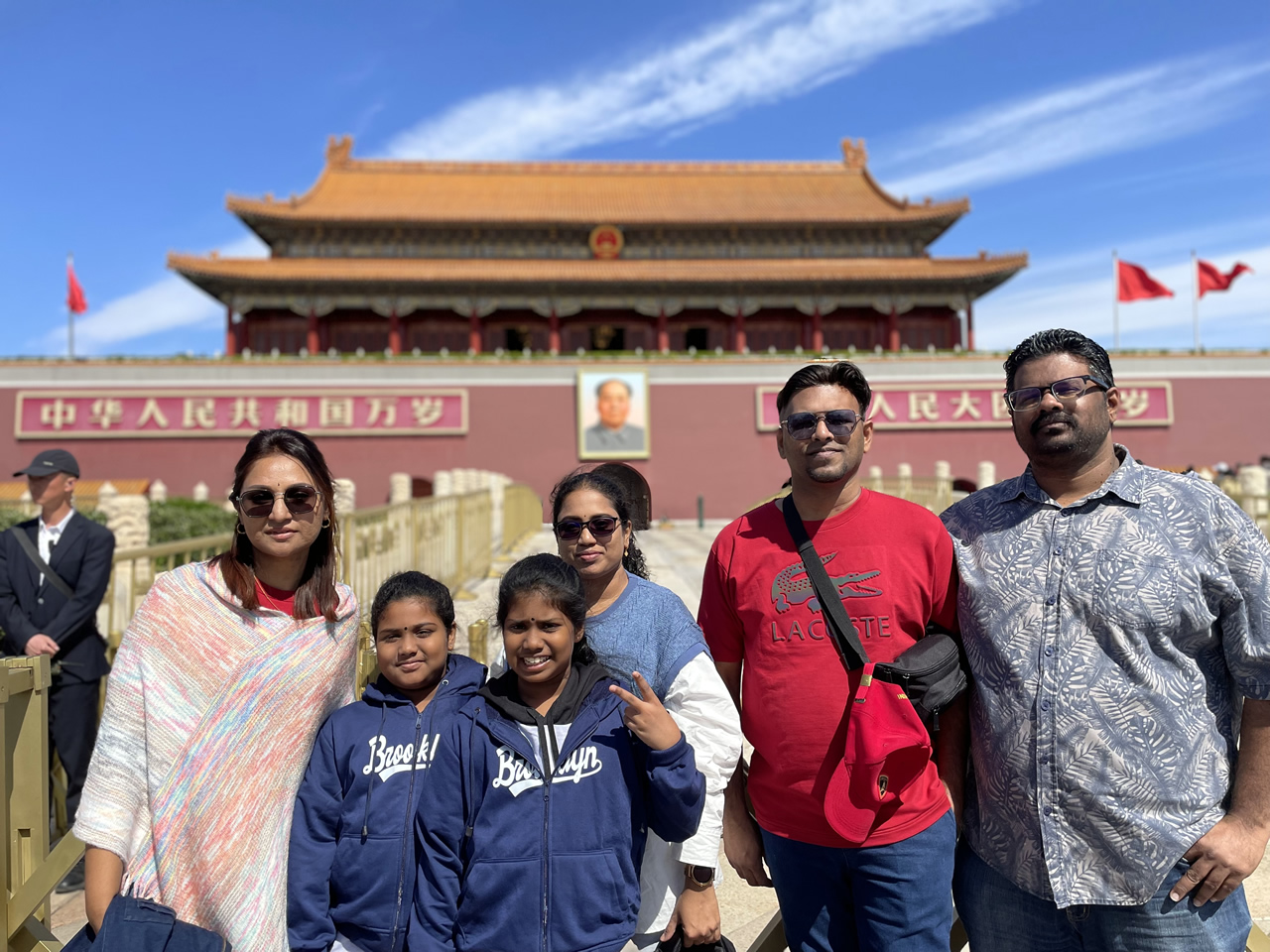
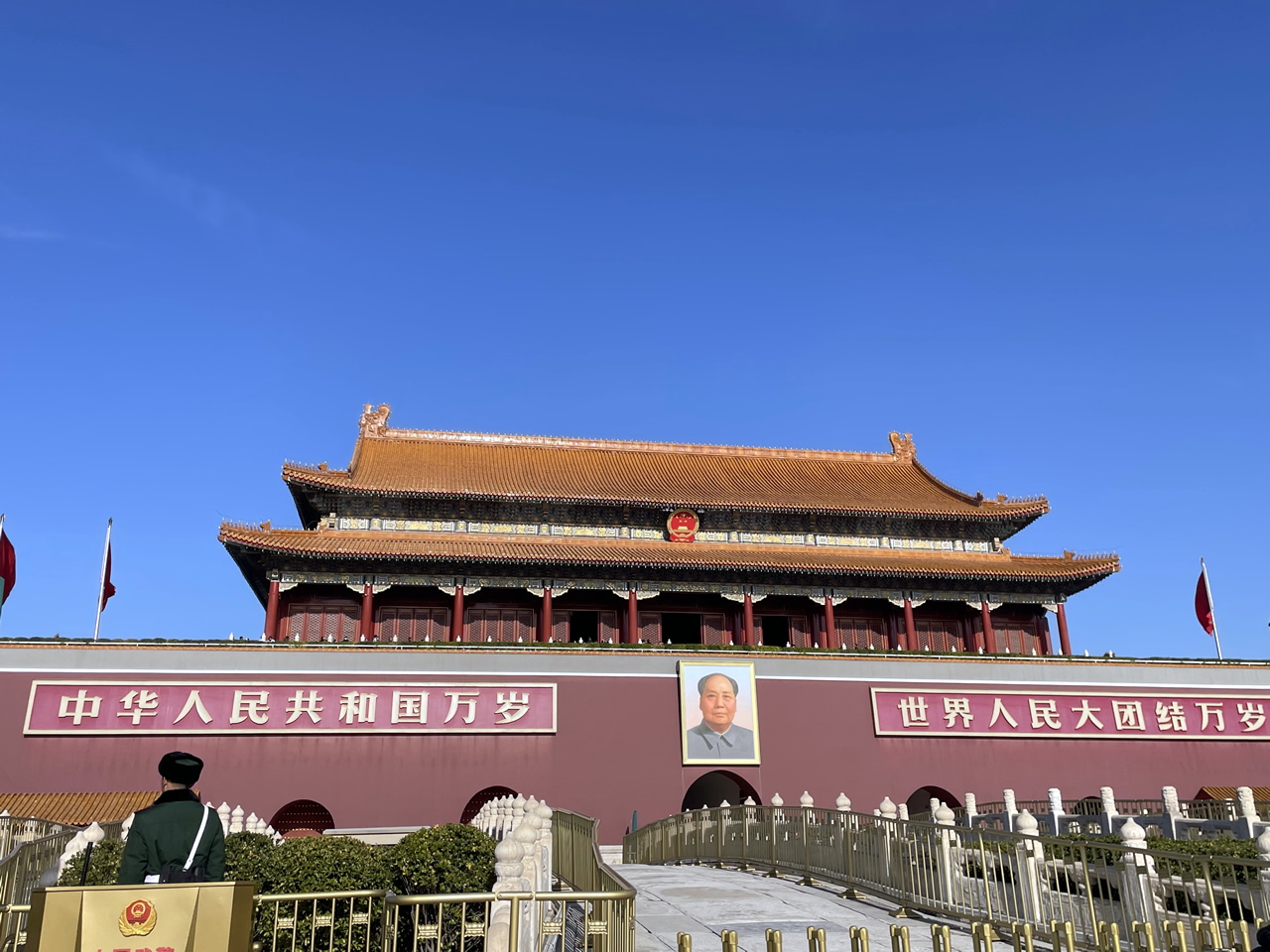
Tiananmen Square is located in the heart of Beijing, serving as the world’s largest urban central square. It measures 880 meters from north to south and 500 meters from east to west, covering a total area of 440,000 square meters—large enough to hold up to 1 million people for grand gatherings.
Core Surrounding Buildings
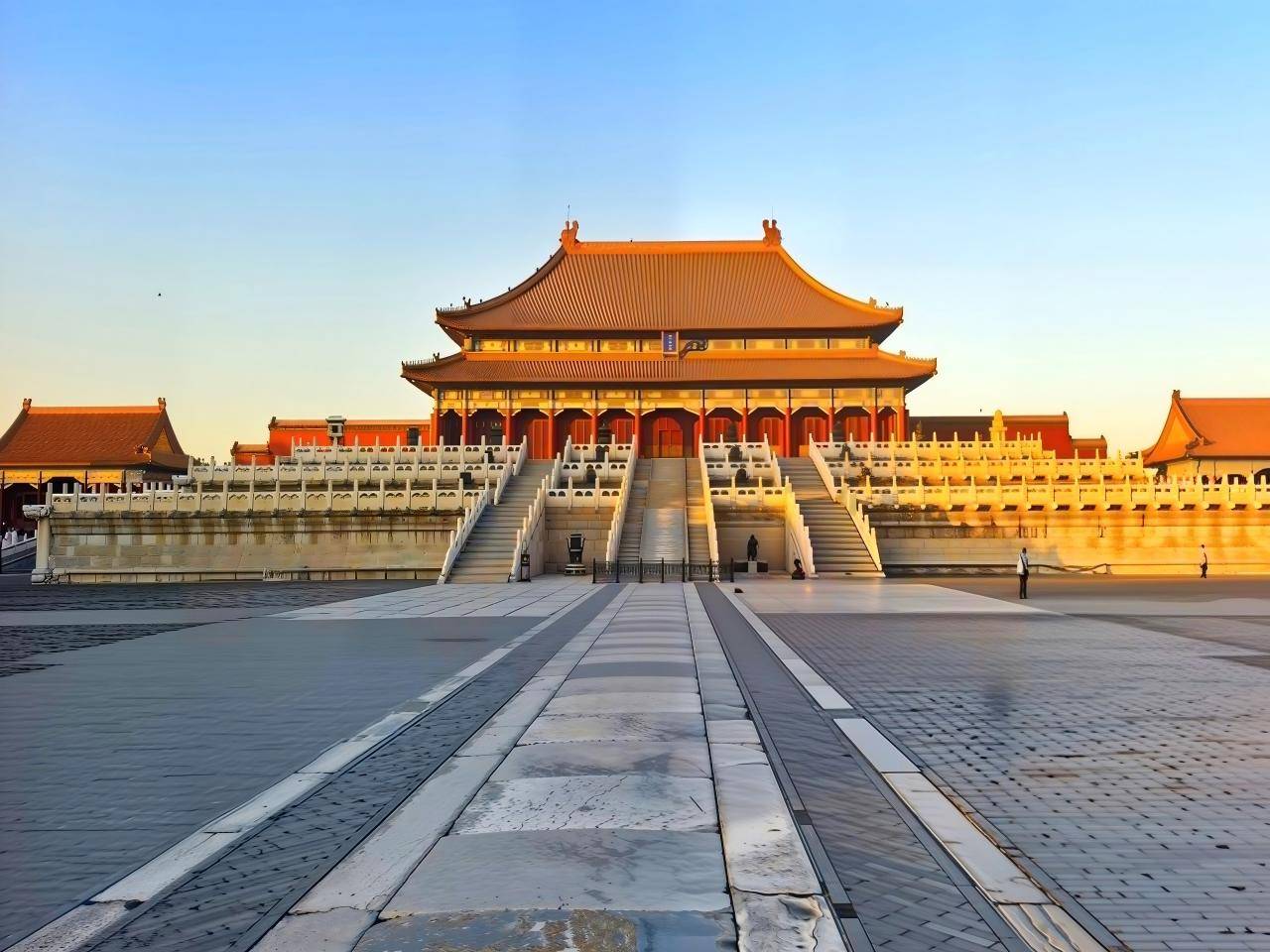
Tiananmen Tower (North)Built in 1417 during the Ming Dynasty, it was originally named "Chengtianmen" (Gate of Heavenly Succession) and renamed "Tiananmen" in 1651 during the Qing Dynasty. As the front entrance to the Forbidden City in ancient times, it is now a national symbol of China.
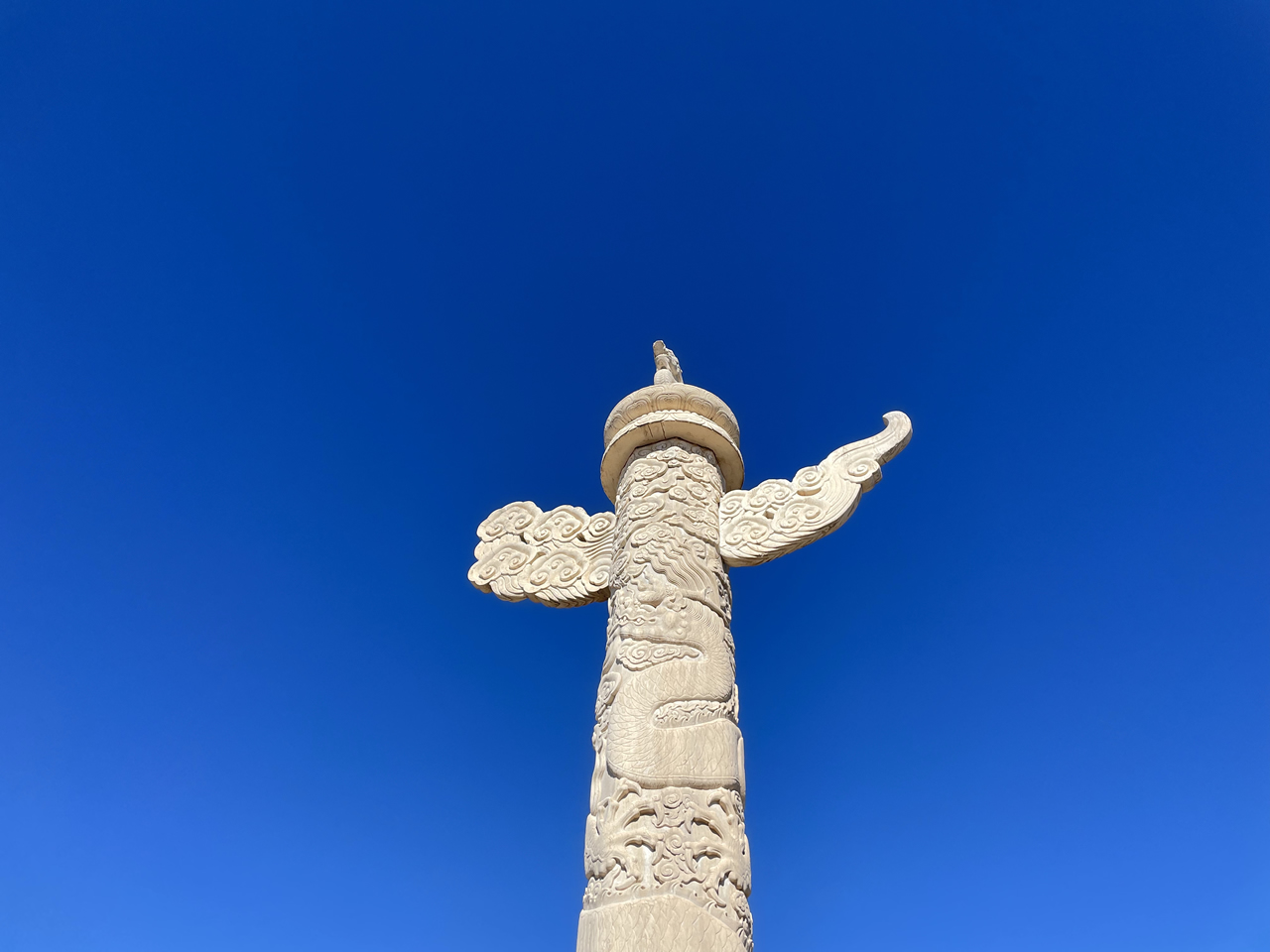
Monument to the People’s Heroes (Center)Erected in 1952, this granite monument is the largest of its kind in Chinese history. Inscribed with Mao Zedong’s calligraphy "The People’s Heroes Are Immortal," it features eight massive relief sculptures depicting key moments in modern Chinese history.
Great Hall of the People (West)Completed in 1959, this grand building is the venue for China’s national legislative and political consultations.
National Museum of China (East)Formed by merging the Museum of Chinese History and the Museum of Chinese Revolution, it houses a vast collection of artifacts showcasing China’s 5,000-year history.
Mao Zedong Memorial Hall (South)Inaugurated in 1977, this memorial hall preserves the remains of Chairman Mao Zedong, allowing visitors to pay their respects.
Historical Significance
Tiananmen Square has witnessed pivotal moments in China’s modern history, including the May Fourth Movement (1919) and the founding ceremony of the People’s Republic of China on October 1, 1949. Today, it remains a venue for major national celebrations and a must-visit attraction for tourists worldwide.